Creating a
Digital Human
AI driven results by your own housing assitant.
Role:
UX // UI
Client:
Quext
Company:
SoftServe
Date:
Aug, 2023
Involvement time:
2 months
Research Process
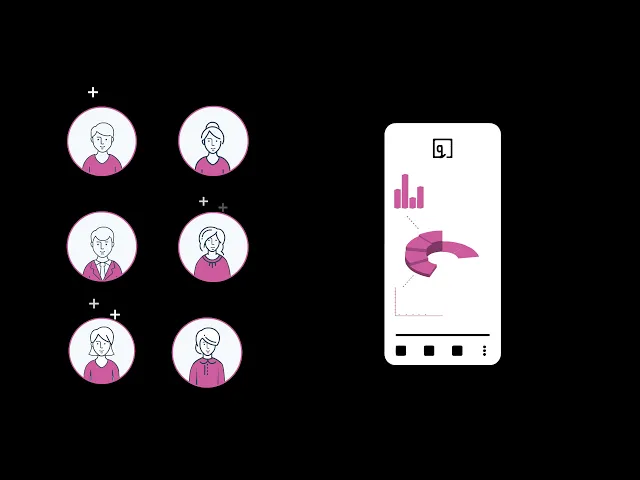
Quext as a Company, provides housing and leasing services for final sers and big housing companies alike, the aim of this project was to develop a AI driven assistant that could guide these different kind of users through the process of acquiring a new housing service.
How might we organize and dispose AI driven results based on usability and convenience?
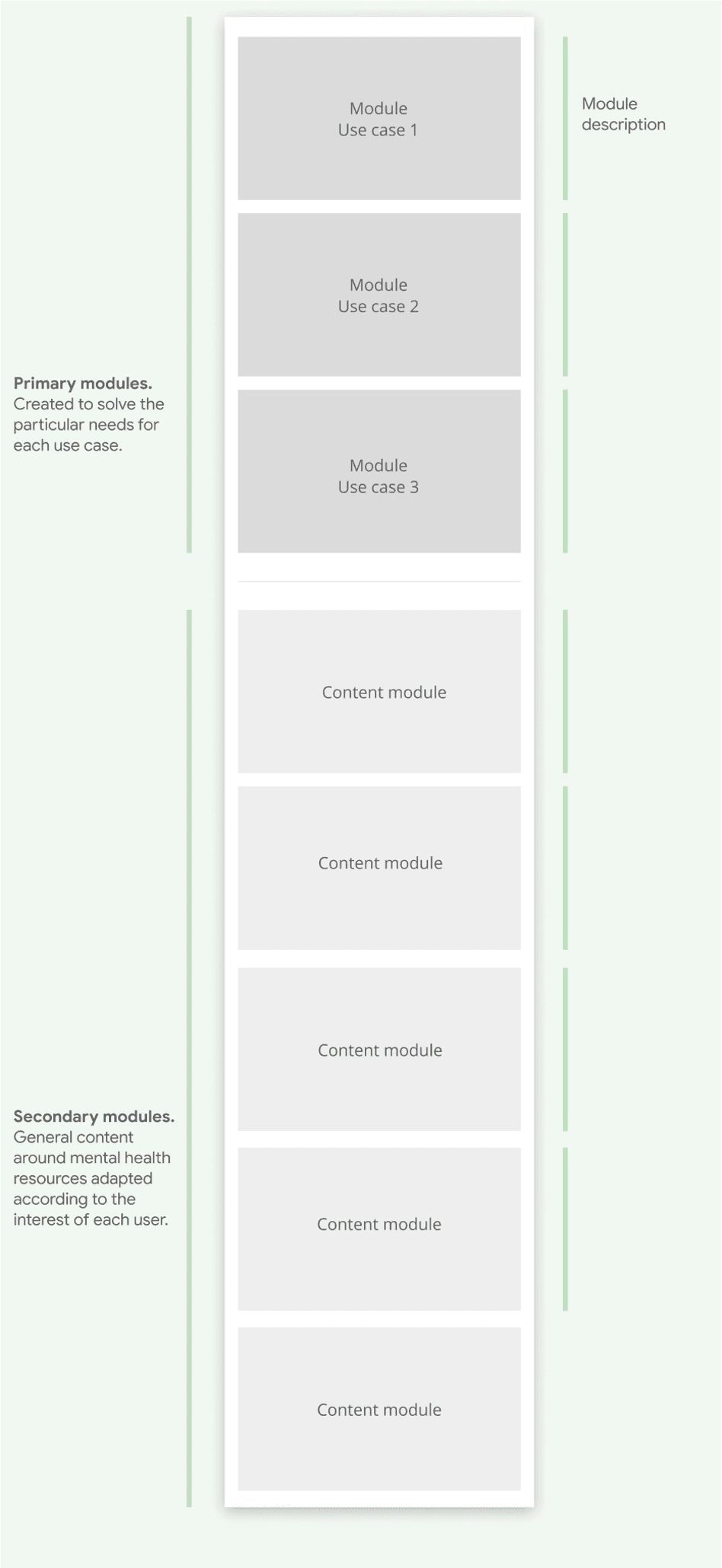
Be flexible. By allowing the user to interact with different input methods and creating a modular experience.
Concise but powerful solutions. Communicate to the user all useful information our AI can provide.
Action driven. Access easily to resources to provide the best and longest experience possible.


Proposal
We based our proposal on these 3 Key Findings:
• An AI-powered assistant could guide users through the housing process by adapting to various input methods.
• Users required concise yet informative responses to enhance decision-making.
• A modular and flexible approach was necessary to accommodate different user needs.
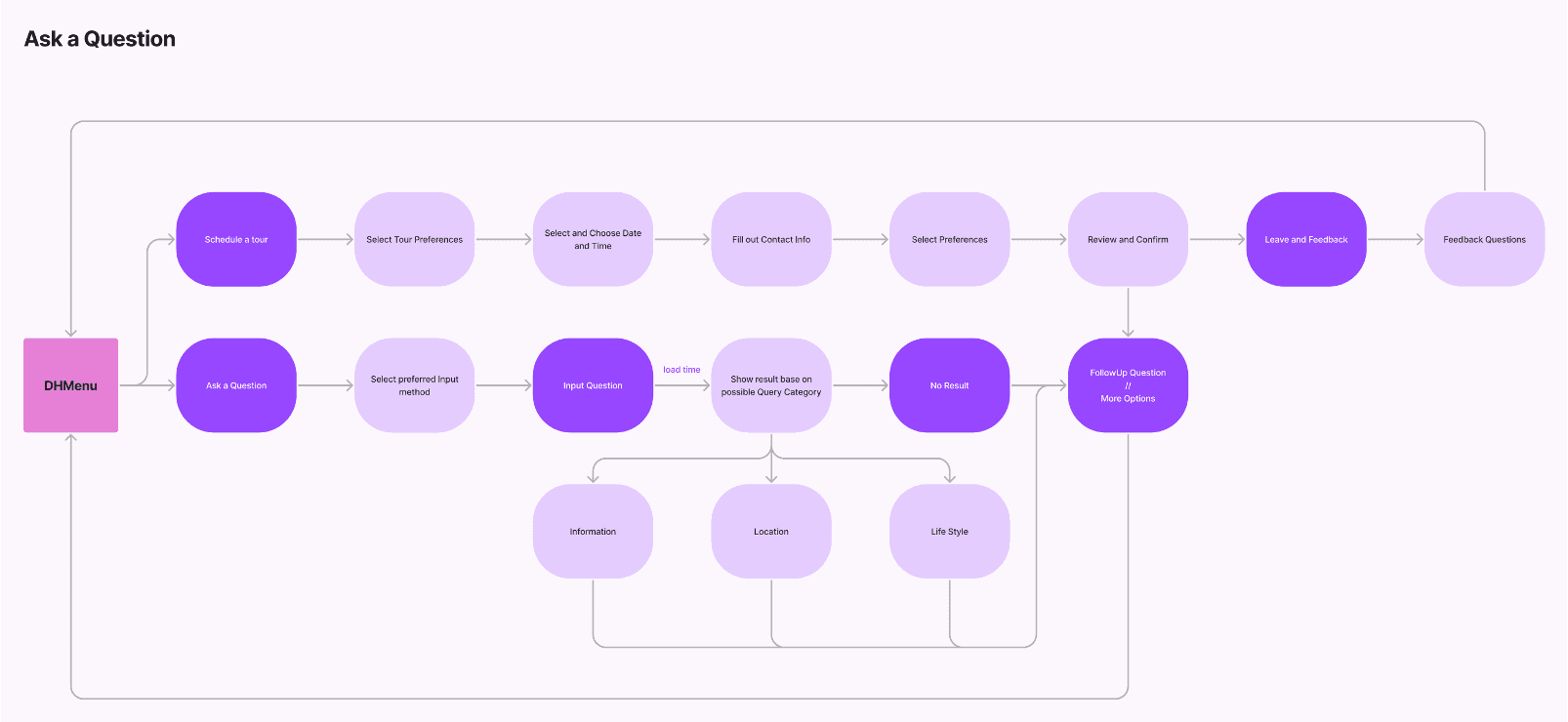
To address the challenges identified in our research, we proposed an AI assistant that:
• Adapts to different input methods, ensuring a smooth user experience.
• Encourages action, making key resources easily accessible for extended engagement.
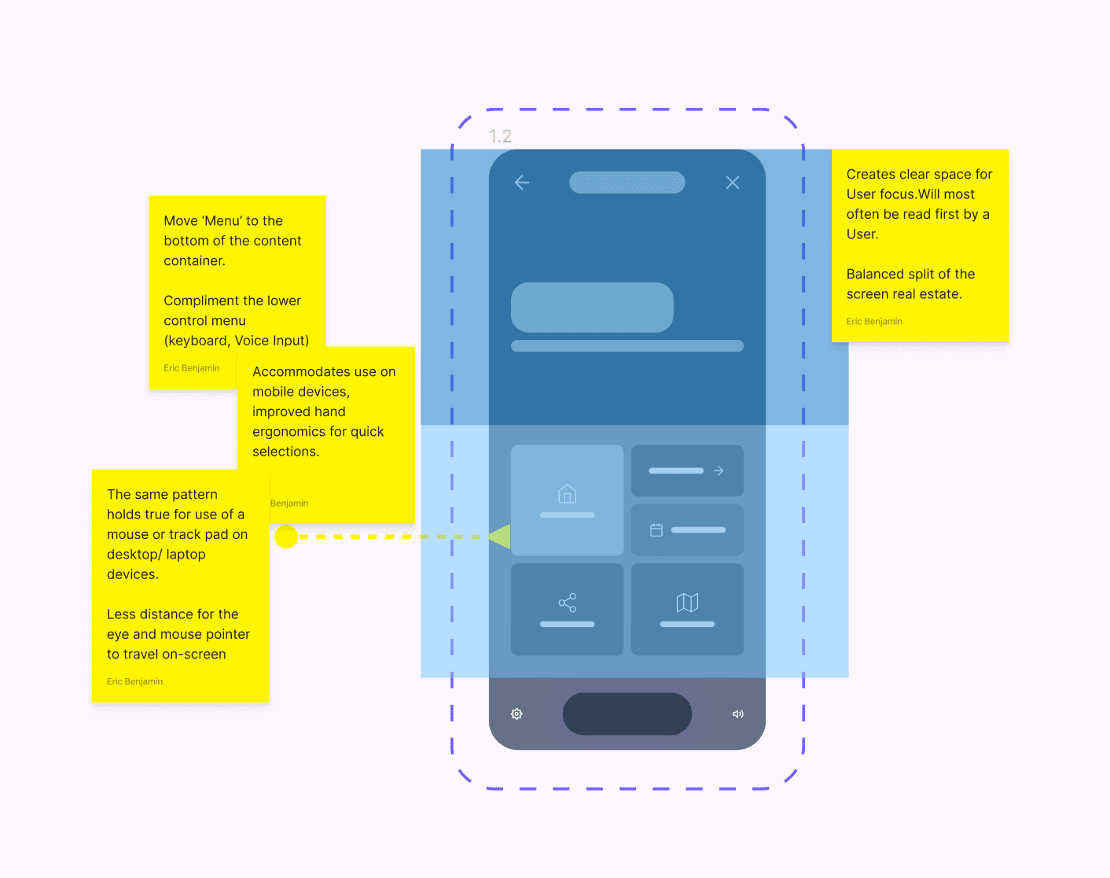
• Utilizes a modal interface, optimized for mobile-first design while seamlessly integrating into desktop experiences.
From Wireframes to Prototype
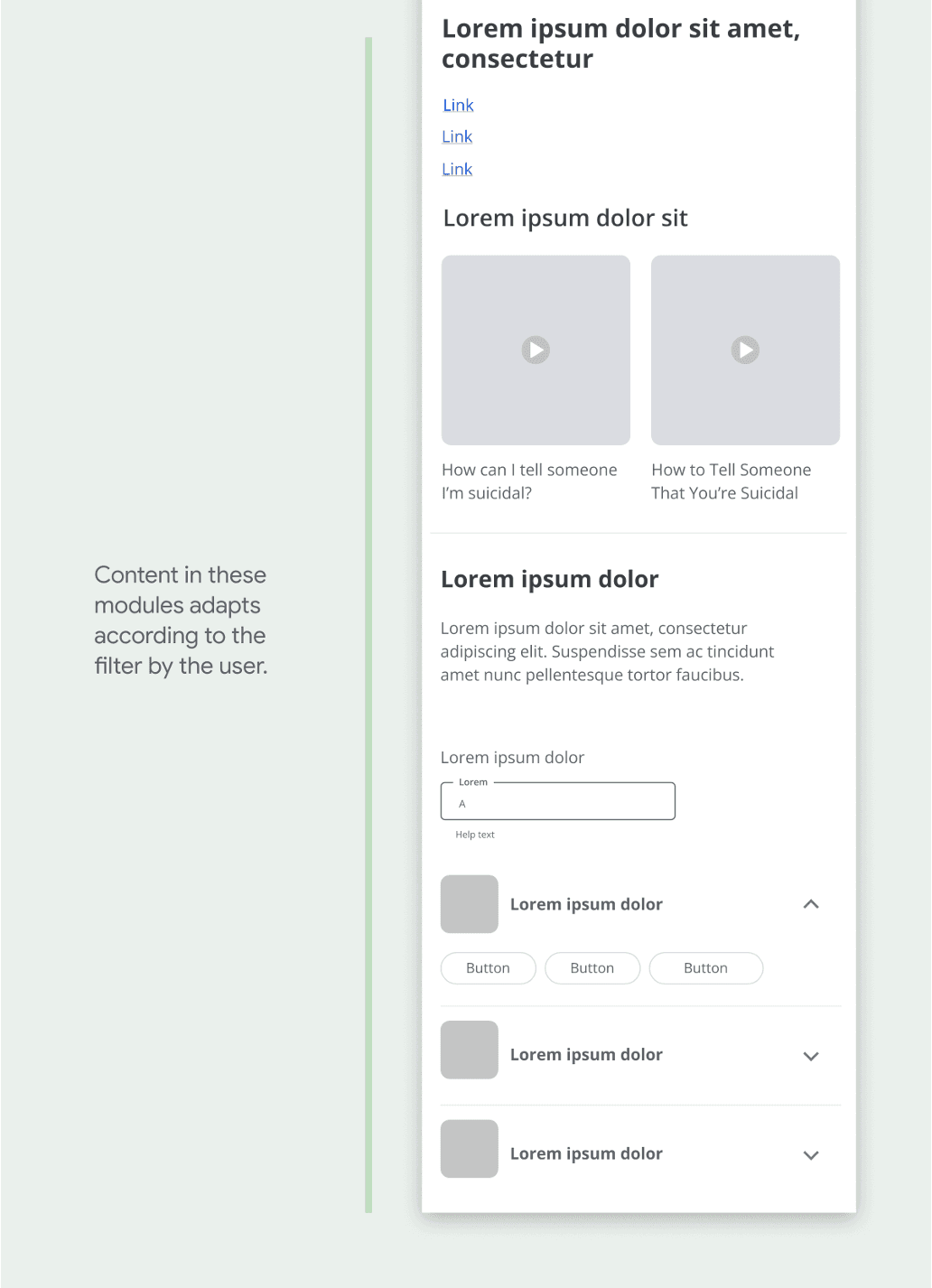
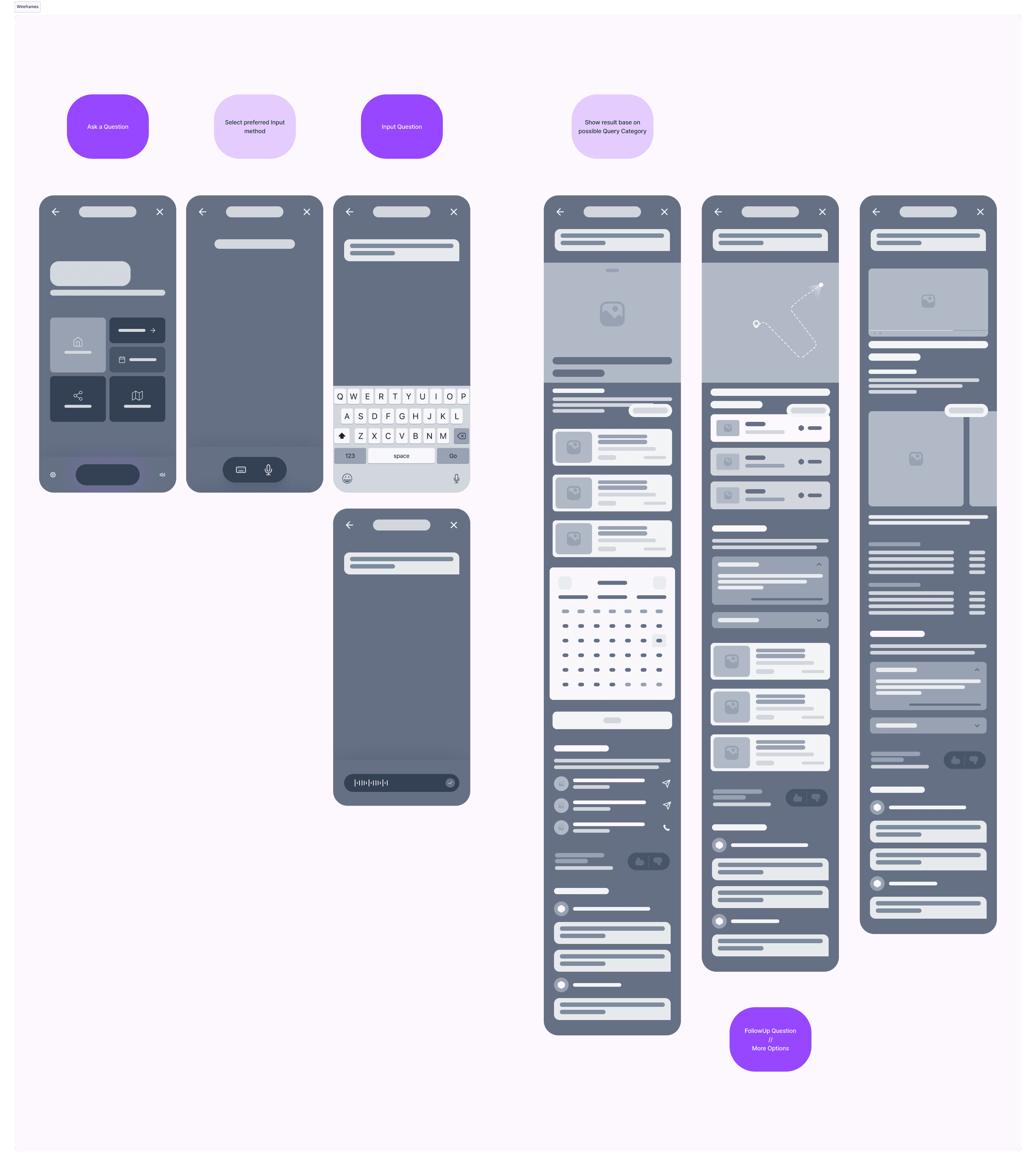
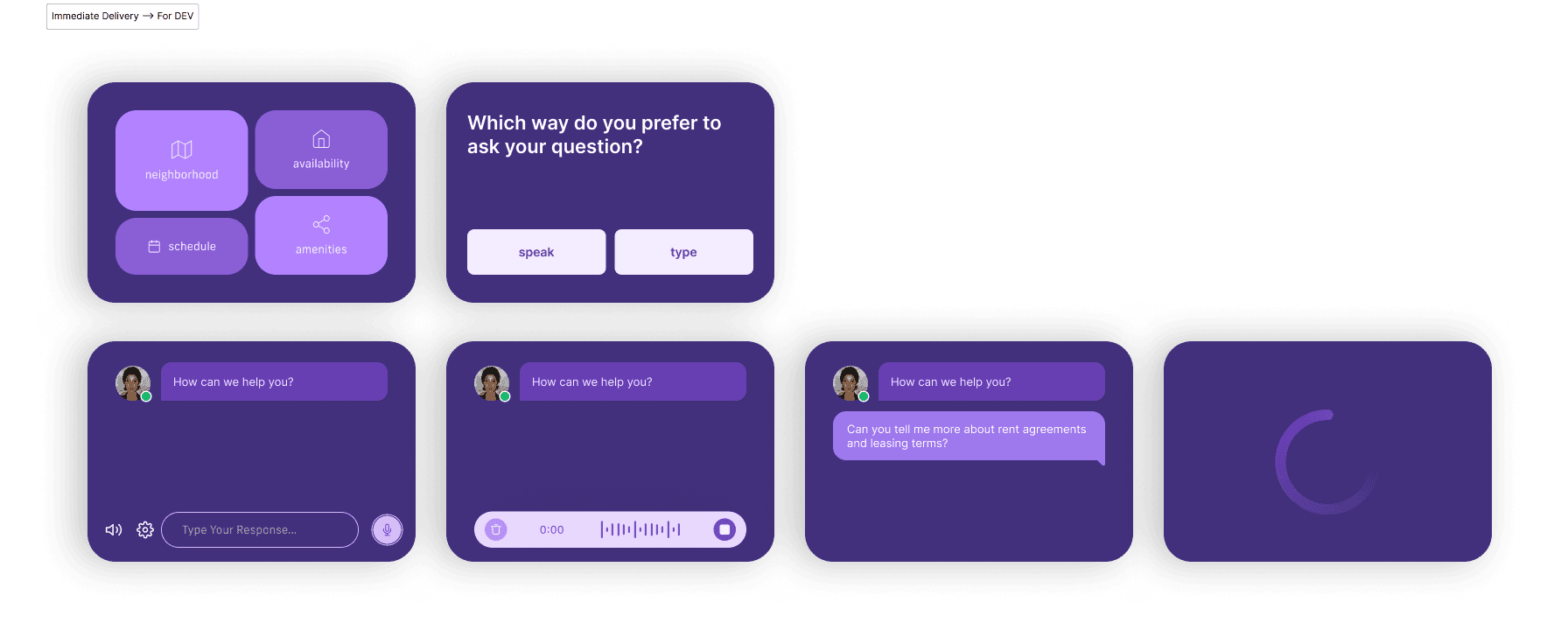
All components were integrated into a Figma Design Library, allowing for easy scalability, consistency, and collaboration across the team. We established color palettes, typography scales, spacing guidelines, and interactive states, ensuring that every new feature aligned with the system's core principles. Additionally, we created variants and auto-layout structures to maintain responsiveness across mobile and desktop views. By following this Atomic Design methodology, we streamlined the iteration and prototyping process, ensuring that the AI assistant maintained a cohesive, scalable, and user-friendly design across all platforms.
Final Experience
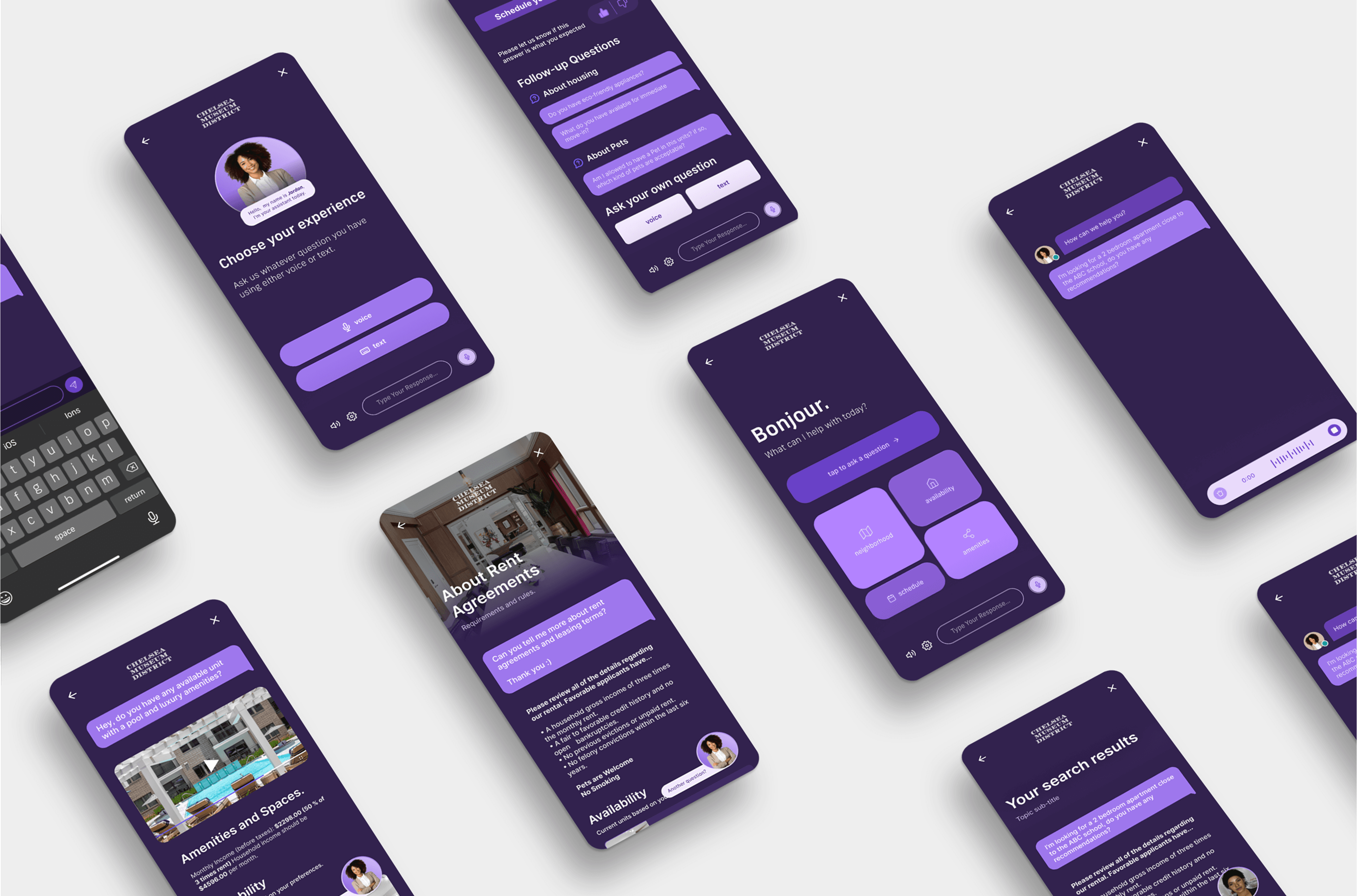
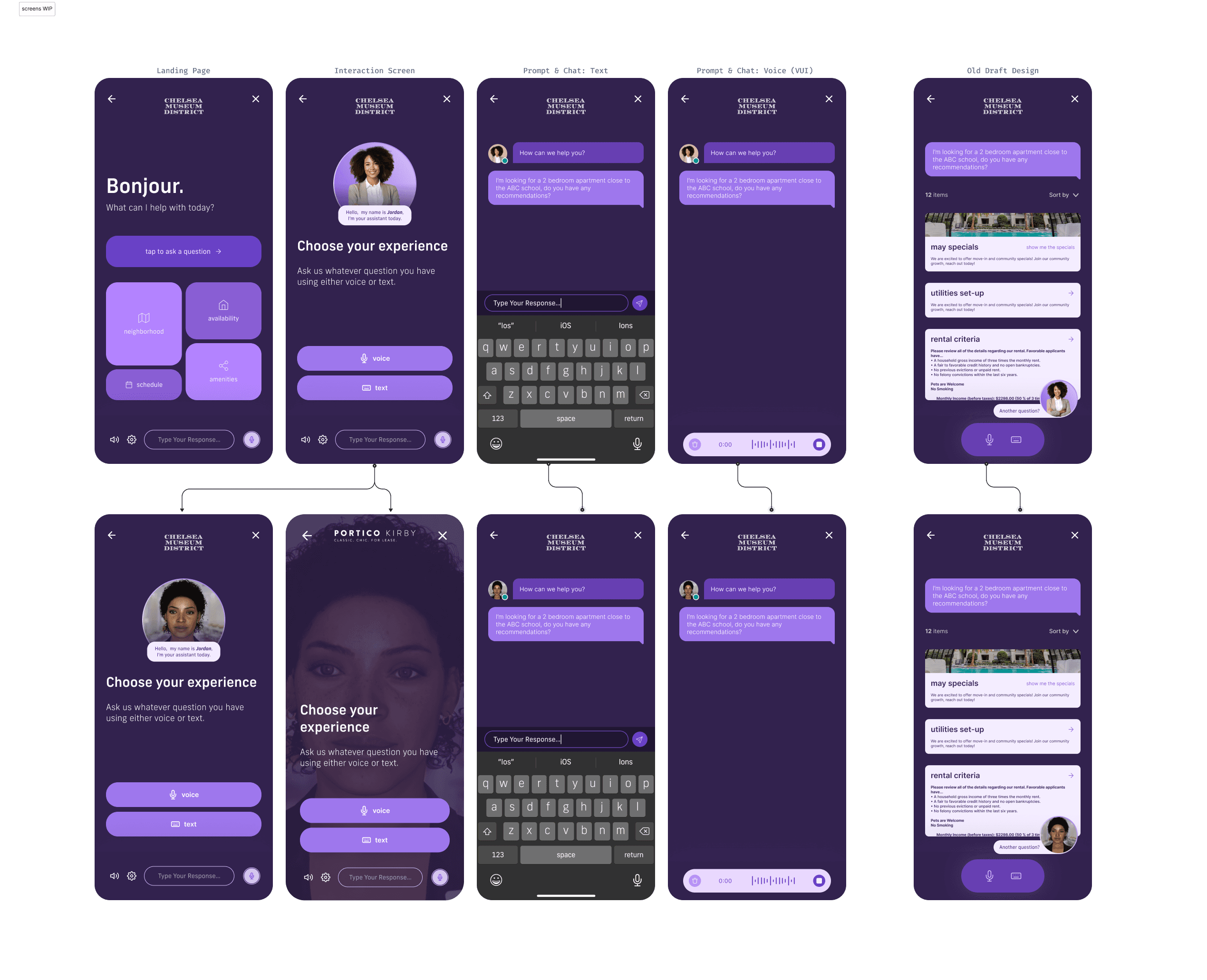
The final AI-driven assistant was designed as a modular interaction model, allowing users to seamlessly navigate different housing-related queries. By implementing a mobile-first approach, the assistant ensured a smooth experience across devices while maintaining flexibility as a modal pop-up for desktop users. The interface prioritized usability by presenting information concisely and adapting to different input methods, making the experience intuitive and accessible.
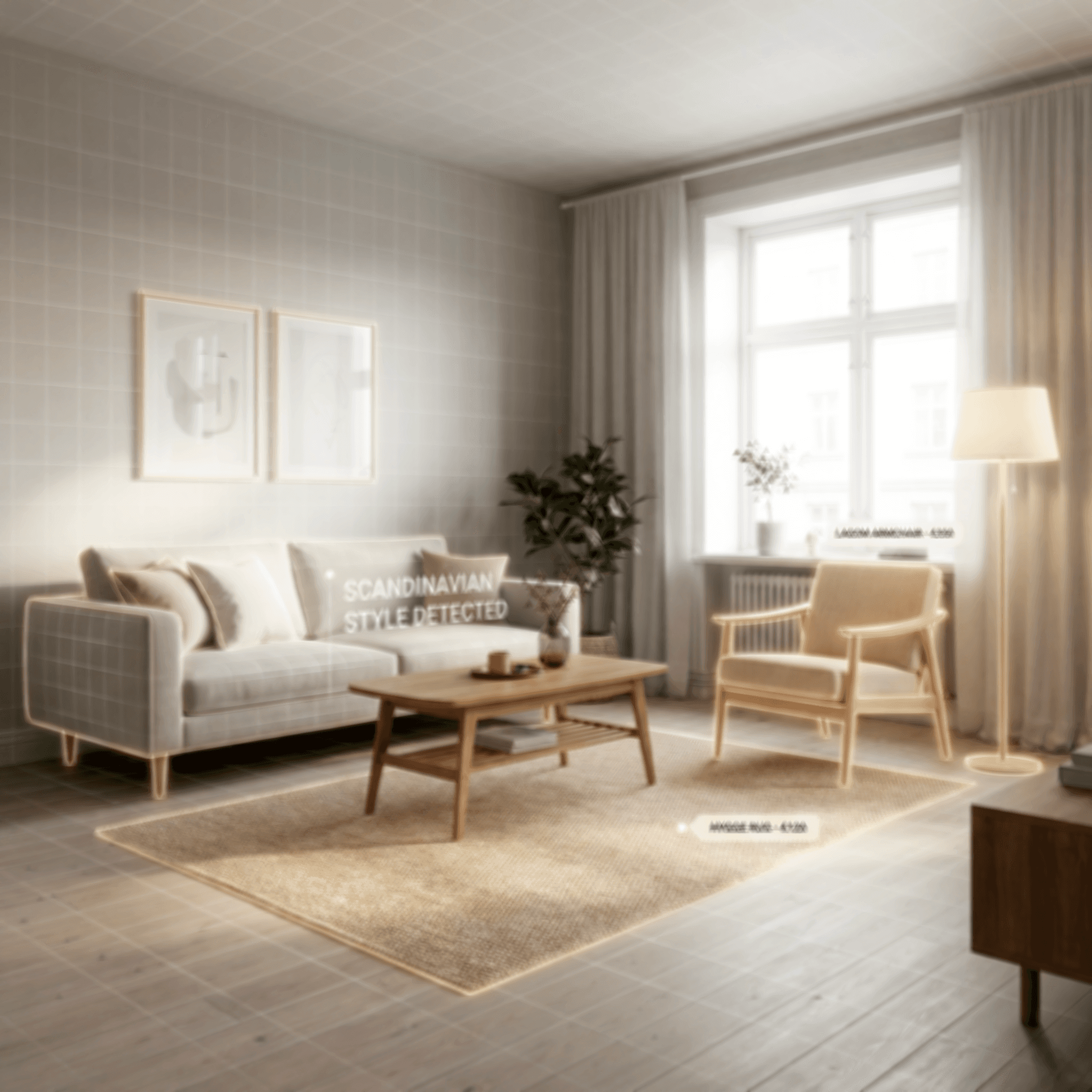
To enhance usability, the assistant structured interactions into three primary query categories: Info, for general housing information; Near Me, for location-based searches; and Lifestyle, for personalized recommendations.
This organization allowed users to find relevant information efficiently while maintaining engagement. By combining AI-driven adaptability with user-centered design, the assistant successfully provided a streamlined and action-driven experience for both individual renters and large housing companies.